
Assessment and Progress
Recognising Growth
Celebrating Progress. Inspiring Excellence.
Through regular assessment, constructive feedback, and meaningful communication with parents, we aim to ensure that every student receives the guidance and encouragement needed to reach their potential.
We believe assessment should support learning, not simply measure results. Our approach combines classroom observation, written assessments, practical activities, assignments, projects, presentations, and other appropriate evaluation methods.
These methods help teachers understand how well students grasp concepts, apply their knowledge, communicate ideas, and develop essential skills. Assessment outcomes also help teachers adapt their teaching strategies to meet students’ learning needs.

-
Formative Assessment
Regular classroom activities, questioning, worksheets, quizzes, discussions, and observation help teachers monitor understanding during the learning process. This allows students to receive timely feedback and address learning gaps.
-
Summative Assessment
Written examinations, term assessments, and other planned evaluations help measure students’ understanding of the concepts and skills covered during a particular period.
-
Practical & Project-Based Assessment
Experiments, presentations, assignments, creative work, and collaborative projects help students demonstrate how they apply knowledge in practical and real-life contexts.
-
Observation & Participation
Classroom engagement, communication, teamwork, problem-solving, and participation in learning activities provide additional insights into students’ development.
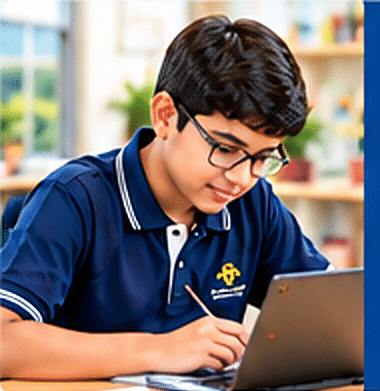
Every child develops at a different pace. We aim to recognize this individuality by monitoring academic performance, classroom participation, practical understanding, and the development of learning skills.
By identifying achievements as well as areas that need further attention, teachers can provide suitable guidance, additional practice, and opportunities for improvement. This helps students build confidence, become more independent, and take greater responsibility for their learning.

Constructive feedback plays an important role in helping students progress. Teachers guide students by recognising what they have understood well, explaining where improvement is needed, and suggesting practical steps to move forward.
Students are encouraged to learn from mistakes, ask questions, reflect on their work, and approach new challenges with confidence. This creates a positive learning environment in which effort, improvement, and achievement are all valued.
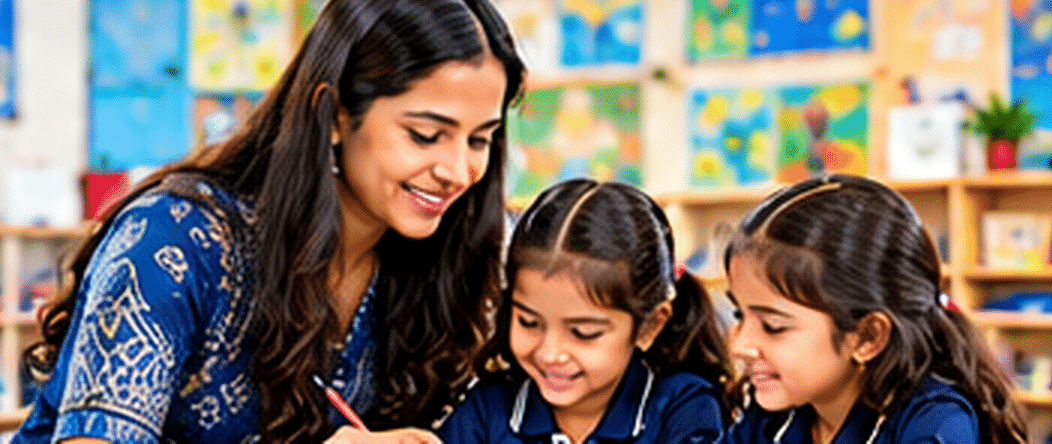
Nursery to PP2
In the early years, teachers observe children’s development through play, interaction, storytelling, activities, and everyday classroom experiences. Attention is given to language, early numeracy, motor skills, social interaction, creativity, and emotional development.
The focus is on understanding each child’s development and providing appropriate encouragement rather than creating unnecessary academic pressure.

Grades 1–5
During the primary years, assessment helps strengthen foundational skills in reading, writing, mathematics, environmental awareness, communication, and independent learning. Regular activities and feedback help students build confidence and develop effective learning habits.
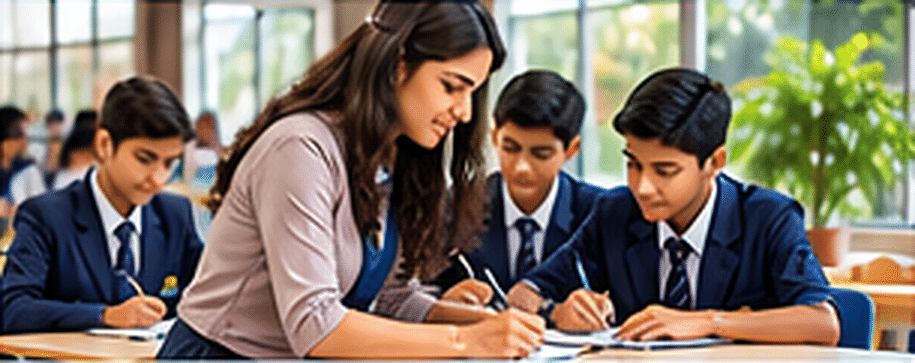
Grade 6-10
As students progress through higher grades, assessment places increasing emphasis on subject knowledge, analytical thinking, application, research, problem-solving, and examination readiness. Students are guided to improve their study methods, manage their time, and take greater ownership of their academic progress.
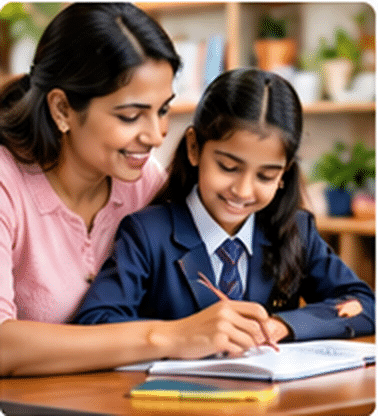
We believe parents and teachers share an important responsibility in supporting a child’s education. Regular communication about academic performance, classroom participation, achievements, and areas for improvement helps create a consistent support system for every learner.
Through progress updates, parent–teacher interactions, and appropriate guidance, families can better understand their child’s learning needs and encourage positive study habits at home.
A student’s development includes more than marks and grades. We also value curiosity, creativity, communication, collaboration, perseverance, responsibility, and the ability to apply learning in new situations.
By recognising progress across different areas of development, we encourage students to appreciate their strengths, work towards their goals, and develop a positive attitude towards lifelong learning.
Assessment also helps teachers reflect on the effectiveness of their teaching methods and identify opportunities to improve classroom learning. By using assessment insights to plan lessons, provide targeted support, and strengthen learning experiences, we aim to create an environment where students can make meaningful progress.
At Gateway International High School, every assessment is an opportunity to understand, guide, and encourage the learner.
We believe every student has the potential to grow, improve, and achieve meaningful success. With supportive teachers, constructive feedback, and a strong partnership with parents, we help students move forward with confidence.